
Integrative Nutrition for Hormonal Fatigue: 2026 Guide

Table of Contents
- Why Hormonal Fatigue Is a Gut Issue, Not Just a Hormone Issue
- Signs Your Fatigue and Bloating Are Connected
- Perimenopause Digestive Health: What Changes and Why
- Foods for Hormonal Balance and Energy: What to Eat Daily
- Probiotics for Hormonal Health: How Strains Support Energy
- How to Build an Integrative Nutrition Plan for Hormonal Fatigue
- Frequently Asked Questions
Last Updated: September 28, 2026
Why Hormonal Fatigue Is a Gut Issue, Not Just a Hormone Issue
Okay, so what is hormonal fatigue? It’s the persistent, dragging exhaustion that accompanies shifting hormone levels, and it is frequently driven as much by the gut as by the ovaries. In this guide i’ll explain why integrative nutrition for hormonal fatigue starts with the digestive system, not just the endocrine one.
The uncomfortable truth is that many women are told their fatigue and bloating are simply part of ageing – well I don’t subscribe to that at all. That advice misses the mechanism. Oestrogen, progesterone and cortisol all interact with the gut microbiome, and when that relationship goes sideways, energy suffers.
A common mistake is treating the two as separate problems. In practice, a sluggish, inflamed gut makes hormonal symptoms worse, and hormonal shifts make the gut more reactive. They move together.
Signs Your Fatigue and Bloating Are Connected
The clearest sign is timing: bloating that worsens in the same weeks your energy crashes. When both flare together across your cycle, you are likely looking at one connected issue rather than two.
Watch for these patterns:
- Energy dips that track with digestive flare-ups
- Bloating that appears without an obvious food trigger
- Constipation or irregularity alongside low mood
- Waking unrefreshed even after adequate sleep
- Skin breakouts that arrive with gut symptoms
Many women find that keeping a simple two-week log of both symptoms reveals the link immediately. It is one of the fastest ways to see the pattern for yourself.
Perimenopause Digestive Health: What Changes and Why
Perimenopause digestive health changes because falling oestrogen alters the gut microbiome, gut motility and bile flow at the same time. The result is more bloating, slower transit and unpredictable reactions to foods you have eaten for years.
This is where most advice falls short. General gut tips ignore the hormonal driver, and hormone advice ignores the gut. The Australasian Menopause Society resources notes that digestive changes are commonly reported through this transition, which is why a combined approach matters.
What most guides miss is that your tolerance for certain foods genuinely shifts during this stage. A meal that sat comfortably at 35 may not at 47. That is not in your head, and it is not a reason to eliminate everything (been there!).
Foods for Hormonal Balance and Energy: What to Eat Daily
Foods for hormonal balance and energy work best when they are built into every meal, not added as a supplement afterthought. The goal is steady blood sugar, good fibre for the microbiome, and enough protein to support energy through the day.
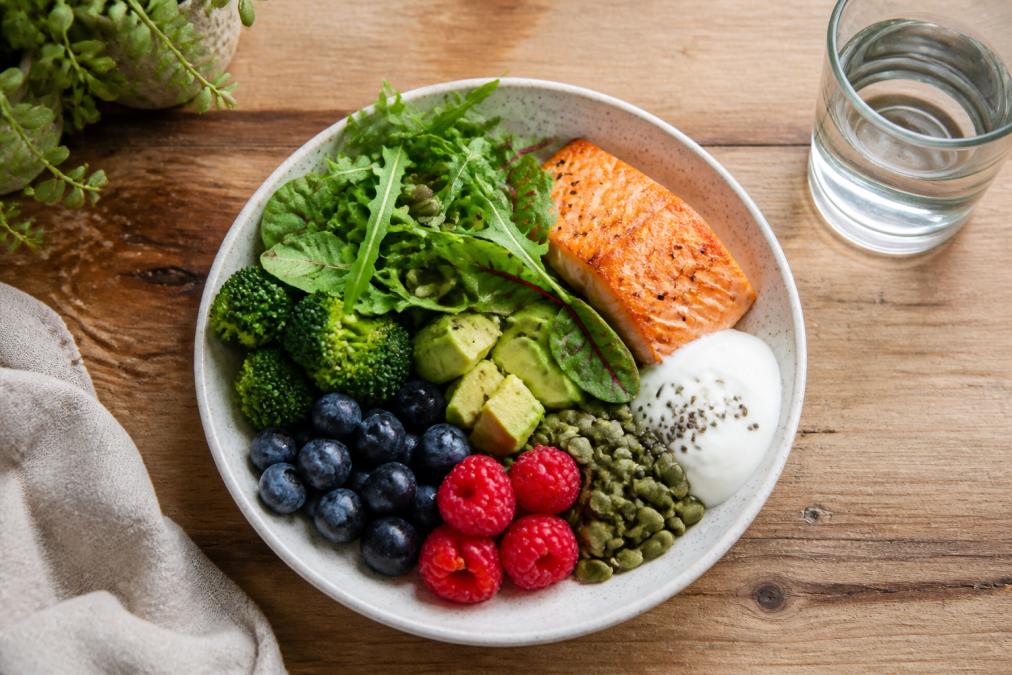
A practical daily framework:
- Protein at breakfast: eggs, Greek yoghurt or legumes to steady morning energy
- Fibre from wholefoods: vegetables, oats and seeds to feed gut bacteria
- Healthy fats: olive oil, avocado and nuts to support hormone production
- Fermented foods: yoghurt, kefir and sauerkraut for microbiome diversity
- Hydration: water across the day, not just with meals
Rather than overhauling everything at once, add one of these to each meal and build from there.
Probiotics for Hormonal Health: How Strains Support Energy
Probiotics for hormonal health support energy indirectly but meaningfully: a balanced gut microbiome improves nutrient absorption, reduces inflammation and helps regulate the estrobolome, the bacteria that process oestrogen. When that system works, digestion and energy tend to improve together.
Strain choice matters more than colony count. Spore-based strains are favoured because they survive stomach acid and reach the gut intact, which is where they need to act. This is the approach behind the my own probiotic formulations, made from over 20 organic wholefoods with no unnecessary fillers.
A common mistake though, is expecting a probiotic to fix everything in a week. Give it a month, and pair it with the food changes above for the best chance of a real shift.
How to Build an Integrative Nutrition Plan for Hormonal Fatigue
An integrative nutrition plan for hormonal fatigue combines food, targeted supplementation and coaching support into one routine you can actually keep. The word “integrative” is the point: you are addressing gut, hormones and lifestyle together rather than chasing one at a time.
Here is a simple structure to follow:
| Focus Area | Daily Action | Why It Matters |
|---|---|---|
| Blood sugar | Protein with every meal | Steadies energy through the day |
| Gut microbiome | Fermented food or probiotic | Supports digestion and regularity |
| Hormone support | Healthy fats and fibre | Aids oestrogen balance |
| Stress | Short daily wind-down | Lowers cortisol load |
| Tracking | Two-line symptom log | Shows what is working |
For anyone stretched thin, the honest answer is that consistency beats intensity. Small daily actions, sustained for a month, outperform a strict plan abandoned in a week. This is where my 1:1 coaching helps, personalising the plan to your own cycle and symptoms rather than handing you a generic sheet. For Her Probiotic Customers like Sally Donald report reduced bloating and more energy, and Amy MN noted improvements in both energy and bloating after around four weeks.
If you have spent money on supplements that did not deliver, a structured plan with real support is the difference and I stand by my For Her 30-Day Gut Happiness Promise too.
Frequently Asked Questions
What is the role of integrative nutrition in managing hormonal fatigue?
Integrative nutrition looks at how food, gut function, stress and hormone shifts interact rather than treating fatigue as an isolated symptom. For hormonal fatigue, it focuses on steady blood sugar, enough protein and fibre, and a gut environment that supports oestrogen metabolism. The goal is to remove the triggers that drain energy while adding the nutrients your body needs during hormone-shifting years. A qualified coach can tailor this to your symptoms rather than applying a generic plan.
How does gut health impact hormonal balance and energy levels?
Your gut bacteria help metabolise oestrogen and other hormones before they are cleared from the body. When the gut microbiome is out of balance, this process can slow down, contributing to bloating, mood swings and fatigue. A healthy gut lining also supports nutrient absorption, so iron, B vitamins and magnesium reach the cells that produce energy. Supporting digestion with fibre-rich foods, fermented options and targeted probiotics is one practical way to influence this loop.
Can dietary changes help with perimenopausal fatigue?
Diet alone will not switch off perimenopause, but it can reduce the severity of fatigue and digestive discomfort. Prioritising protein at each meal, eating regular meals to steady blood sugar, and including phytoestrogen-rich foods such as flaxseeds and soy can support energy through fluctuating hormones. Cutting back on alcohol and ultra-processed snacks often helps too. Many women notice meaningful improvement within a few weeks when changes are consistent rather than extreme.
What are the best wholefood sources for hormonal support?
Focus on foods that feed both your gut and your hormone pathways: leafy greens, broccoli and cabbage, ground flaxseeds, sesame seeds, walnuts, oily fish, eggs, and fermented foods like kefir and sauerkraut. Legumes and wholegrains provide fibre that supports oestrogen clearance. For energy specifically, pair these with quality protein such as chicken, tofu or Greek yoghurt. A varied plate across the day usually matters more than any single superfood.
How do probiotics assist in managing digestive issues during hormonal shifts?
Probiotics introduce beneficial bacteria that can improve regularity, reduce bloating and support the gut lining. During perimenopause and other hormonal shifts, changes in oestrogen and progesterone can slow digestion and alter the microbiome, so targeted strains may help restore balance. Spore-based probiotics are often chosen because they survive stomach acid well. Results vary, and it usually takes several weeks of consistent use to notice a difference in bloating and energy.
What are the signs that hormonal fatigue is linked to gut health?
Common clues include bloating that worsens around your period, fatigue that does not improve with sleep, irregular bowel habits, and skin flare-ups. If your GP tests are normal but these symptoms persist, the gut-hormone axis is worth investigating. Keeping a simple symptom diary for two to three weeks can reveal patterns between food, cycle timing and energy. Share this with a practitioner before making major changes.
How long does it take to see results from an integrative nutrition approach?
Most people notice some change in bloating or energy within two to four weeks of consistent dietary adjustments and probiotic use. Deeper hormonal shifts, such as improved cycle symptoms, often take two to three months because the gut and hormone systems respond gradually. Progress is not linear, so tracking weekly trends is more useful than judging each day. A structured programme with check-ins helps you stay on course when early results feel slow.
Persistent fatigue and bloating deserve a plan built around your body, not a generic one-size-fits-all sheet. My personalised integrative nutrition coaching with wholefood-based probiotic formulations designed for women’s hormone-shifting years, including spore-based strains, over 20 organic wholefoods and no unnecessary fillers. Start here by supporting your gut, your hormones and your energy together beautiful!
